Relationshhip advise
Why Modern Women Lose Respect For Men


One of the best pillars of attraction, trust, and sustained relationship success is respect. Respect is frequently what maintains a relationship strong over time, even when love may bring two individuals together. Many guys in today’s dating scene lament that women no longer treat males with the same respect as they once did. However, respect is frequently influenced by action, attitude, and interpersonal dynamics rather than being given or taken away arbitrarily.
In actuality, when women frequently exhibit behaviors that indicate weakness, instability, dishonesty, or a lack of self-worth, they typically lose respect. This does not imply that men are always at fault or that women are flawless. Rather, it draws attention to the fact that respect must be established and kept by deeds rather than just words.
Men may strengthen their relationships, better themselves, and steer clear of typical blunders that undermine attractiveness by understanding why modern women no longer respect men. The main causes of respect fading will be discussed in this essay, along with natural ways for men to earn it.

1. Lack of Purpose and Direction in Life
Lack of a clear life purpose or direction is one of the quickest ways a man can lose respect in a relationship. Men who have objectives, know where they are heading, and are actively pursuing something worthwhile are naturally admired by many women. A feeling of purpose fosters self-assurance, self-control, and stability—qualities that are frequently valued and appealing.
A man may come across as unreliable and unserious if he consistently lacks ambition, avoids responsibility, or demonstrates no desire to better himself. This does not imply that every man has to be wealthy, well-known, or have everything worked out. Progress, effort, and a desire to create a better future are what count most.
A man with a purpose frequently has a different demeanor. He is less inclined to rely on others financially or emotionally, appreciates his time, and makes wiser choices. Conversely, a man who lacks direction could end up being indolent, insecure, or unduly reliant on others.
When women believe they are interacting with someone who lacks motivation or vision, they may lose their respect. Maturity is indicated by purpose. Even modest objectives, like expanding one’s profession, picking up new skills, getting fitter, or starting a business, can be more respected than doing nothing.
2. Weak Boundaries and People-Pleasing Behavior
Weak boundaries and persistent people-pleasing behavior are important contributing factors to women’s loss of respect for men. Although respect and kindness are admirable qualities, there is a significant difference between being truly sympathetic and not being able to defend yourself. In a relationship, a man who continuously seeks approval, avoids disagreement at all costs, or says yes to everything might gradually lose respect.
Boundaries demonstrate one’s value. They convey your appreciation for your ideals, feelings, and time. A guy may give the idea that he does not respect himself if he permits persistent disrespect, puts up with mistreatment, or modifies himself in order to appease someone. Additionally, when one lacks self-respect, respect from others frequently declines as well.
Many guys believe that a woman will value them more if they are constantly agreeable or overly available. In actuality, it can occasionally lead to imbalance. When a man can calmly say no, voice his thoughts, and uphold his standards without animosity, respect generally builds.
Setting healthy limits does not entail being impolite, domineering, or aloof. They entail being aware of what conduct you will and won’t tolerate. A man who strikes a balance between firmness and kindness is typically regarded more highly than one who puts himself at risk in order to win others over.
3. Inconsistency Between Words and Actions
When a man’s words and deeds diverge, respect soon starts to wane. Because consistency demonstrates character, dependability, and emotional maturity, many women pay great attention to it. Even if a man speaks with assurance, makes promises, or says all the right things, confidence begins to erode if he consistently breaks his word.
Over time, disappointment might result from, for instance, promising to change but continuing to engage in the same behaviors, claiming you would call but never doing so, or discussing objectives but not actually achieving them. Everyone makes mistakes from time to time, but persistent inconsistency conveys the idea that your word is worthless.
In a healthy sense, women tend to esteem guys who are trustworthy and predictable. This entails being truthful, keeping your word, and taking your obligations seriously. Because it demonstrates that your behavior can be trusted, consistency fosters emotional safety.
However, it can be annoying and unstable when a man is inconsistent, always making excuses, or changing depending on the situation. Long-term respect is developed by consistent behavior, yet attraction may start with words. In many partnerships, people lose respect due to persistent patterns of inconsistency rather than a single error.
4. Emotional Immaturity
Another frequent cause of a decline in respect in partnerships is emotional immaturity. Everyone has moments of tension, disappointment, jealously, or wrath, but how those feelings are managed is the problem. A man may progressively lose his partner’s respect if he acts impulsively, has tantrums, refuses to take responsibility, or struggles to speak calmly.
Because it fosters harmony and trust, emotional stability is highly valued by many women. The relationship may become tiresome if minor arguments consistently result in yelling, quiet treatment, manipulation, or blame-shifting. Emotional immaturity frequently manifests as insecurity, a persistent need for validation, unjustified jealousy, or an incapacity to accept criticism.
It is not necessary to conceal emotions or act strong in order to be emotionally mature. It entails being able to express feelings in a healthy and restrained manner. A mature man is able to listen, speak effectively, own up to his mistakes, and resolve issues without needless drama.
When a man maintains his composure under duress, respect frequently increases. He seems more trustworthy and safe when he is able to regulate his emotions rather than let them rule him. However, immature responses can give a woman the impression that she is interacting with someone she cannot emotionally trust. Because it stabilizes a relationship, maturity is appealing.
5. Lack of Self-Respect
Lack of self-respect is one of the most obvious signs that might diminish respect in a relationship. A man’s treatment of himself frequently affects how he is treated by others. He may give the impression that he doesn’t value himself if he consistently disregards his health, puts up with mistreatment, lacks self-discipline, or has no standards.
Everyday behaviors demonstrate self-respect. Personal hygiene, self-talk, the company you keep, and the standards you uphold are all examples of it. A guy may find it difficult to gain true respect from others if he frequently denigrates himself, lets people take advantage of him, or puts up with toxic circumstances over extended periods of time.
Men that exude confidence and dignity are generally admired by women. Perfection or haughtiness are not necessary for this. It just entails looking after yourself, making wise decisions, and refusing to accept actions that jeopardize your future or tranquility.
Addictions, indolence, lack of self-control, or a persistent reliance on others can all be signs of low self-esteem. A man may appear unsteady or irresponsible due to these tendencies. In actuality, respect frequently originates from within. A guy is more likely to be valued by others if he establishes standards, values himself, and leads a disciplined life.
6. Financial Irresponsibility
Respect in contemporary relationships might also deteriorate due to financial carelessness. This does not imply that a man needs to be affluent in order to be respected. Many women are aware that everyone starts somewhere and that success takes time. Often, accountability, self-control, and resource management skills are more important than money.
A man may come out as immature and untrustworthy if he consistently spends money, lives beyond his means, avoids work, or relies on people without making an effort to get better. Making bad financial decisions on a regular basis can lead to stress, particularly in committed partnerships where future planning is crucial.
Budgeting, timely bill payment, saving when feasible, and demonstrating a desire to work toward stability are all examples of financial responsibility. If a man manages his finances sensibly and consistently strives to improve, he can gain respect even with a little income.
However, over time, careless spending, compulsive gambling, unmanageable debt, or indolence can erode confidence. It might also indicate a lack of self-control in other spheres of life. For many women, security, hard work, and maturity are more important than wealth. Taking charge of his money makes a man seem more trustworthy, serious, and ready for a long-term commitment.
7. Tolerating Disrespect Repeatedly
When a man consistently puts up with disrespect without confronting it, respect is frequently lost. Every relationship will occasionally have miscommunications, but when mistreatment becomes a habit and nothing is done about it, the dynamic can soon deteriorate. People typically carry on with actions that are regularly permitted.
Disrespect can take many different forms, such as persistently insulting someone, making fun of them, manipulating them, embarrassing them in public, being dishonest, or taking them for granted. A man may exhibit low self-esteem and lax boundaries if he repeatedly tolerates certain actions out of concern for the relationship.
Many guys think that remaining silent or putting up with everything will demonstrate their love and dedication. In practice, unrestricted tolerance frequently has the opposite impact. When a man can convey his standards, handle issues calmly, and leave if needed, respect tends to increase.
It doesn’t take violence or drama to stand up for yourself. It entails identifying inappropriate behavior and reacting with assurance and restraint. A man who respects himself enough to keep his peace is typically taken more seriously than one who puts up with abuse in order to escape loneliness.
Mutual respect is necessary for partnerships to be healthy. Resentment and imbalance typically ensue when one individual continues to show respect while getting none in return.
How Men Can Earn Genuine Respect Again
Respect is something that must be developed over time via self-awareness, discipline, and consistent behavior. The good news is that men may regain respect by intentionally altering their lifestyle and interpersonal interactions, regardless of their prior transgressions.
First, it’s critical to have a distinct sense of purpose. Because he demonstrates desire and direction, a man who is focused on development, objectives, and self-improvement automatically commands more respect. Over time, even modest daily advancements strengthen one’s individuality.
Second, it’s important to be consistent. People learn to trust you when your words and deeds are consistent. Credibility is increased in relationships and in life in general as a result.
Third, maturity and emotional control are very important. Relationship stability is enhanced by learning to react coolly rather than rashly. A man’s ability to communicate without losing control is a sign of strength rather than weakness.
Fourth, respect for oneself needs to come first. This entails upholding your ideals, thinking, physical attractiveness, and overall wellness. You educate others how to treat you by how you treat yourself.
Lastly, it’s critical to establish and uphold healthy boundaries. A man will inevitably gain greater respect if he has enough self-respect to refuse rudeness and leave poisonous situations.
Respect ultimately comes from character, constancy, and self-worth rather than control or authority.
Conclusion
In relationships, respect is developed via deeds rather than words. A guy may progressively lose respect and trust if he lacks self-respect, emotional control, consistency, or direction.
The good news is that respect can be restored. A guy can regain his worth in relationships and in life by creating a purpose, upholding discipline, honoring commitments, and establishing sound boundaries.
Ultimately, behavior and character—rather than gender—are the main reasons why contemporary women no longer respect men. Growth, stability, and self-worth are the keys to earning respect.

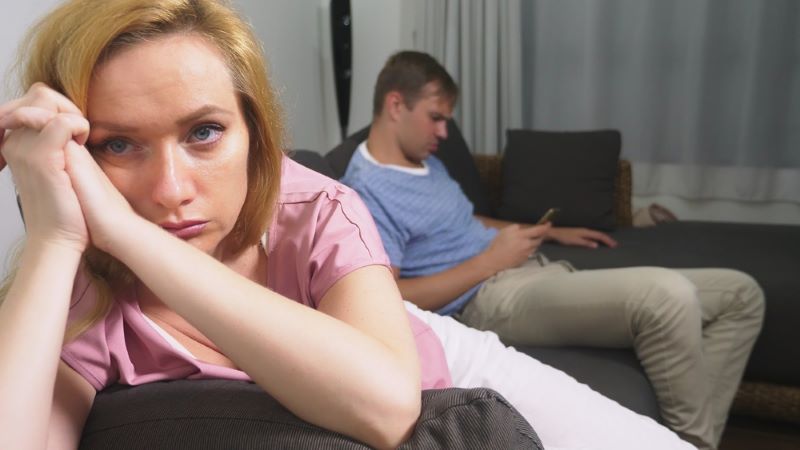
Emotional detachment is one of the biggest warning signs that a relationship may be struggling. In many cases, relationships do not end suddenly—emotional distance often starts building slowly over time before a breakup eventually happens. Small changes in communication, affection, effort, and emotional connection can quietly signal that something is no longer the same.
Unfortunately, many men ignore these early signs or assume things will naturally improve on their own. But understanding emotional detachment early can help both partners address problems before the relationship becomes completely disconnected. Healthy relationships require communication, emotional presence, effort, and mutual understanding from both sides.

What Emotional Detachment Really Means
Emotional detachment happens when one partner slowly becomes less emotionally connected and invested in the relationship. This does not always mean the person no longer cares at all, but it often shows that the emotional bond, excitement, and closeness are starting to fade. In many cases, emotional withdrawal happens gradually rather than all at once.
There are many reasons why someone may emotionally detach from a relationship. Stress, unresolved arguments, feeling unappreciated, poor communication, emotional neglect, or loss of attraction can all contribute to emotional distance over time. When problems remain unresolved for too long, people may begin protecting themselves emotionally by pulling away from the relationship.
Understanding emotional detachment is important because many relationships fail long before the actual breakup happens. The emotional connection weakens first, and if both partners ignore the warning signs, the relationship may slowly fall apart without either person fully realizing it.
Communication Starts Changing
One of the earliest signs of emotional detachment is a noticeable change in communication. Conversations that once felt natural, exciting, and emotionally connected may suddenly become short, dry, or forced. Replies may take longer, enthusiasm disappears, and the overall energy between both partners starts feeling different.
A woman who is emotionally withdrawing may also stop sharing personal thoughts, feelings, or details about her day like she used to. Instead of deep conversations and emotional openness, communication becomes more surface-level and less meaningful. In some cases, she may only respond when necessary rather than actively engaging in conversation.
Over time, this lack of emotional communication can create distance in the relationship. Since communication is one of the foundations of emotional connection, changes in how people talk to each other often reveal deeper emotional issues beneath the surface.
She Stops Prioritizing Time Together
Another common sign of emotional detachment is when she no longer makes the relationship a priority. The effort to spend quality time together slowly decreases, and excuses, cancellations, or emotional distance during interactions may become more frequent. Activities that once felt enjoyable together may now seem forced or less important to her.
In many cases, emotionally detached partners stop showing excitement about spending time together. Conversations feel less engaging, dates lose emotional warmth, and the connection may begin to feel routine instead of meaningful. Even when physically present, she may seem mentally or emotionally elsewhere.
Over time, this reduced effort can create a growing sense of loneliness within the relationship. When emotional investment declines, the relationship often starts feeling one-sided, leaving the other partner confused about what changed.
Physical Affection and Intimacy Decline
When emotional detachment sets in, one of the most noticeable changes is a reduction in physical affection and intimacy. Hugs, kisses, hand-holding, and other small gestures of closeness may become less frequent or feel less natural than before. The warmth that once defined the relationship can slowly begin to fade.
In more advanced stages, intimacy may also decline significantly. The emotional connection that fuels physical closeness weakens, making affection feel forced or avoided altogether. Even simple body language—like eye contact, smiling, or leaning in during conversations—may become limited or less engaging.
This shift often reflects deeper emotional distance. When affection decreases, it usually signals that the emotional bond is no longer as strong, and the relationship may be moving into a more disconnected and distant phase.
She Becomes Easily Irritated or Indifferent
Another strong sign of emotional detachment is a change in emotional reactions. She may start getting irritated more easily over small things that never used to be an issue. Simple conversations, jokes, or normal relationship habits may suddenly trigger frustration or short temper.
In some cases, it’s not even anger—it’s indifference. She may stop reacting emotionally altogether, showing little interest in resolving issues or engaging in meaningful discussions. Instead of caring about fixing problems, she may seem distant, unbothered, or emotionally unavailable.
This shift from emotional involvement to irritation or indifference often shows that the emotional connection is weakening. When someone no longer feels invested, even small things can feel annoying—or nothing feels important enough to react to at all.
She Stops Talking About the Future
One clear sign of emotional detachment is when she no longer includes you in future plans. Conversations that once involved shared goals, dreams, or long-term expectations may start to disappear. Instead of talking about “we” or “us,” she may focus more on the present or avoid future discussions altogether.
You may also notice a lack of excitement when topics like travel, marriage, or long-term plans come up. Where there was once enthusiasm, there is now hesitation, avoidance, or vague responses. This change often signals that she is no longer emotionally invested in building a future together.
When someone stops imagining a shared future, it usually reflects a deeper emotional withdrawal. Without that sense of long-term connection, the relationship can begin to feel uncertain and disconnected.
Social Media and Outside Attention Become More Important
Another subtle but important sign of emotional detachment is when her attention gradually shifts away from the relationship and toward external validation. She may start spending more time on social media, engaging more with online interactions, or seeking attention outside the relationship.
In some cases, she may become more interested in how others perceive her than in nurturing the emotional connection at home. This can include increased posting, more focus on online engagement, or comparing her life and relationship to what she sees on social platforms.
While social media itself is not the cause, this shift in focus can reflect emotional distance. When external attention becomes more important than emotional connection within the relationship, it often signals that the bond between both partners is weakening.
Why Emotional Detachment Happens
Emotional detachment doesn’t happen without reason—it usually develops over time due to unresolved emotional issues in the relationship. One of the most common causes is poor communication, where feelings, concerns, or frustrations are not properly expressed or addressed.
Another major factor is feeling unappreciated or emotionally neglected. When one partner consistently feels unheard, undervalued, or disconnected, they may slowly begin to withdraw emotionally as a form of self-protection. Over time, repeated disappointment can reduce emotional investment.
Unresolved conflicts, constant misunderstandings, and lack of emotional effort from either side can also contribute to this distance. In most cases, emotional detachment is not sudden—it is the result of small issues building up over time without proper attention or resolution.
What Men Should Do When They Notice the Signs
When emotional detachment starts to appear, the most important thing is not to panic or react emotionally. Instead, take a calm and honest approach to understand what is really happening in the relationship. Many issues can still be addressed if they are noticed early and handled with maturity.
Open communication is key—talking honestly about how both partners feel can sometimes help rebuild emotional connection. At the same time, it’s important to listen without being defensive and to understand whether the issue is temporary stress or deeper emotional withdrawal.
However, not all relationships can be repaired. If emotional distance continues despite effort and communication, it may be a sign that both people are no longer aligned. In such cases, choosing self-respect and emotional peace becomes important.
Frequently Asked Questions & Answers
1. What does it mean when a woman is emotionally detached?
It means she is slowly becoming less emotionally connected, less expressive, and less invested in the relationship over time.
2. What are the first signs of emotional detachment?
Changes in communication, less effort to spend time together, and reduced emotional warmth are usually the earliest signs.
3. Can emotional detachment be fixed in a relationship?
Yes, sometimes it can be improved with honest communication, emotional effort, and addressing underlying issues early.
4. Why do people emotionally detach in relationships?
Common reasons include poor communication, feeling unappreciated, unresolved conflicts, and emotional neglect.
5. Should I stay if she is emotionally detached?
It depends. If communication and effort don’t improve things over time, it may be healthier to prioritize your emotional well-being.
Conclusion
Emotional detachment is often a gradual process that signals deeper issues within a relationship. It usually starts with small changes in communication, affection, and emotional presence before becoming more noticeable over time. Recognizing these signs early can help both partners address problems before the connection is fully lost.
Healthy relationships require consistent communication, emotional effort, and mutual understanding from both sides. When these elements are missing, emotional distance can grow—but with awareness and honest effort, some relationships can still be repaired or properly understood.

Dating apps were once seen as the easiest way to find love and meaningful relationships. For many men, the idea of meeting new people with just a few swipes felt exciting and full of possibilities. However, modern online dating has become increasingly frustrating for many men, with low match rates, ghosting, dry conversations, rejection, and unrealistic expectations becoming common experiences. What once felt exciting now feels emotionally exhausting for many users.
Today, many men say dating apps have damaged their confidence and changed how they view relationships. The pressure to constantly compete for attention, combined with endless swiping and lack of genuine connection, has caused emotional burnout for many modern men. As a result, more men are beginning to step away from dating apps and focus on peace, self-improvement, and real-life connections instead.

The Rise of Dating Apps in Modern Dating
Dating apps have completely changed how modern relationships begin. What used to happen naturally through social interactions, friends, work, or public places has now shifted into a digital experience driven by swiping, profiles, and algorithms. Apps like Tinder, Bumble, and Hinge have made it possible to meet new people instantly, removing many traditional barriers to dating.
The promise of dating apps was simple — more options, easier connections, and faster access to potential partners. This convenience attracted millions of users worldwide, especially men who hoped to increase their chances of finding love or companionship. However, this new system also introduced a highly competitive environment where attention is limited and choices feel endless.
As online dating became more popular, it also started to reshape expectations. People now often make quick decisions based on photos, bios, and first impressions, rather than real emotional connection. This shift has significantly changed the dating landscape, setting the stage for both opportunities and frustrations in modern relationships.
Why Many Men Feel Invisible on Dating Apps
Despite the promise of endless connections, many men experience the opposite on dating apps—they feel invisible. After setting up profiles, uploading photos, and trying to start conversations, a large number of men receive little to no matches or replies. Over time, this creates frustration and the feeling that they are simply not being noticed in the online dating space.
One major reason for this is competition. On most platforms, attention is heavily concentrated on a small percentage of highly attractive or high-status profiles, while the majority of men struggle to stand out. This creates a system where even genuine, respectful, and interested men can be overlooked simply because they don’t immediately capture attention in a crowded feed.
As this pattern continues, many men begin to lose confidence and motivation. The constant cycle of swiping without results, unanswered messages, and comparison to others often leads to emotional fatigue, making dating apps feel less like an opportunity—and more like a discouraging experience.
The Emotional Burnout Men Experience
Beyond the lack of matches and attention, many men also struggle with emotional burnout from using dating apps. What often starts as hope quickly turns into repetition—endless swiping, short conversations, sudden ghosting, and conversations that go nowhere. Over time, this cycle can become mentally draining and discouraging.
A major source of frustration is the inconsistency in communication. Some conversations start with interest but fade without explanation, leaving men confused and questioning what went wrong. Others experience one-word replies or no response at all after putting effort into starting meaningful conversations. This creates a sense of emotional effort with very little return.
As these experiences build up, many men begin to feel exhausted rather than excited about dating. Confidence may drop, motivation weakens, and some eventually disconnect from dating apps completely just to protect their mental and emotional well-being.
Unrealistic Expectations in Modern Dating
Another major reason dating apps feel exhausting for many men is the rise of unrealistic expectations in modern dating. Social media, lifestyle content, and dating platforms have significantly influenced what people now consider “ideal,” often raising the standards beyond what most real-life situations can sustain.
Many men feel pressure to meet expectations related to appearance, income, lifestyle, confidence, and social status all at once. In some cases, even being respectful, kind, and emotionally available is no longer enough to stand out. This creates a sense that men must constantly “perform” or improve themselves just to be considered for attention.
Over time, this environment can feel overwhelming and discouraging. Instead of forming natural connections, dating becomes a competitive space where approval feels conditional. This disconnect between expectation and reality is one of the key reasons many men start to lose interest in dating apps altogether.
Why Some Men Are Leaving Dating Apps
As frustration builds over time, many men are beginning to step away from dating apps altogether. What once felt like an opportunity to meet new people has started to feel more like a cycle of effort, rejection, and emotional fatigue. For some, leaving the apps becomes a way to regain peace of mind and protect their confidence.
Instead of continuing to chase attention in a highly competitive digital space, many men are shifting their focus to personal growth, careers, fitness, and mental well-being. Others are returning to real-life interactions where connections feel more natural, slower, and less pressured than the fast-paced world of swiping.
This growing trend reflects a change in mindset—where peace, stability, and self-respect are becoming more important than constant validation from dating apps.
Are Dating Apps Ruining Genuine Connection?
With the rise of endless swiping and instant choices, many people are beginning to question whether dating apps are making genuine connection harder to find. Instead of slowing down and building emotional bonds, users are often encouraged to keep searching for the “next best option,” which can reduce the value placed on existing connections.
This creates a “shopping mentality” in modern dating, where profiles are quickly judged and replaced rather than understood and developed. Conversations can feel short-lived, attention spans are lower, and emotional investment is often minimal. As a result, many interactions never grow beyond the surface level.
Over time, this environment can make dating feel less personal and more transactional. While dating apps offer convenience, they may also be changing how people connect, communicate, and commit in relationships today.
What Men Can Do to Navigate Dating Apps Better
Even though dating apps can be frustrating, many men can improve their experience by changing how they use them. The first step is understanding that success on dating apps is not only about effort, but also about presentation, patience, and realistic expectations.
Improving profile quality can make a big difference—clear photos, a simple but confident bio, and authenticity often perform better than forced or overly edited images. At the same time, men should avoid over-investing emotionally in early conversations and instead focus on consistency and meaningful engagement rather than quantity of matches.
Most importantly, maintaining self-respect and emotional balance is key. Dating apps should not define self-worth. Combining online dating with real-life interactions and personal development often leads to healthier experiences and better long-term outcomes.
Advice for Both Men and Women
Modern dating challenges affect both men and women, even if in different ways. For relationships to work in today’s world, both sides need to approach dating with more honesty, patience, and emotional awareness rather than unrealistic expectations or assumptions.
Healthy relationships are built on communication, effort, and mutual respect. When people focus too much on perfection—whether it’s appearance, status, or lifestyle—they often overlook genuine compatibility and emotional connection. This is why many modern connections struggle to go beyond the surface level.
Ultimately, successful relationships require both men and women to be realistic, emotionally mature, and willing to invest time and effort into building something meaningful together.
Conclusion
Dating apps have changed modern relationships in ways that are both convenient and challenging. While they offer access to more people than ever before, they have also introduced issues like emotional burnout, unrealistic expectations, and difficulty forming genuine connections—especially for many men.
As a result, more men are beginning to question whether online dating is truly worth the emotional cost. Some are stepping back entirely, choosing peace, self-improvement, and real-life connections instead of constant swiping and disappointment.
Ultimately, the goal is not to reject dating apps completely, but to use them in a healthier, more balanced way—while also valuing real-world relationships and emotional well-being.


